Speaker: Takao Sasaki, associate professor in the Brain and Cognitive Sciences, University of Rochester
RSVP requested. Register now(opens in a new tab).
Social animals—from insect colonies to human groups—often make decisions without centralized control, relying on local interactions to produce coordinated collective outcomes. However, we still know little about the circumstances under which groups make better (or worse) decisions than individuals. To address this question, Takao Sasaki's research applies concepts and methods from psychology to both individuals and groups, allowing him to directly compare their cognitive abilities.
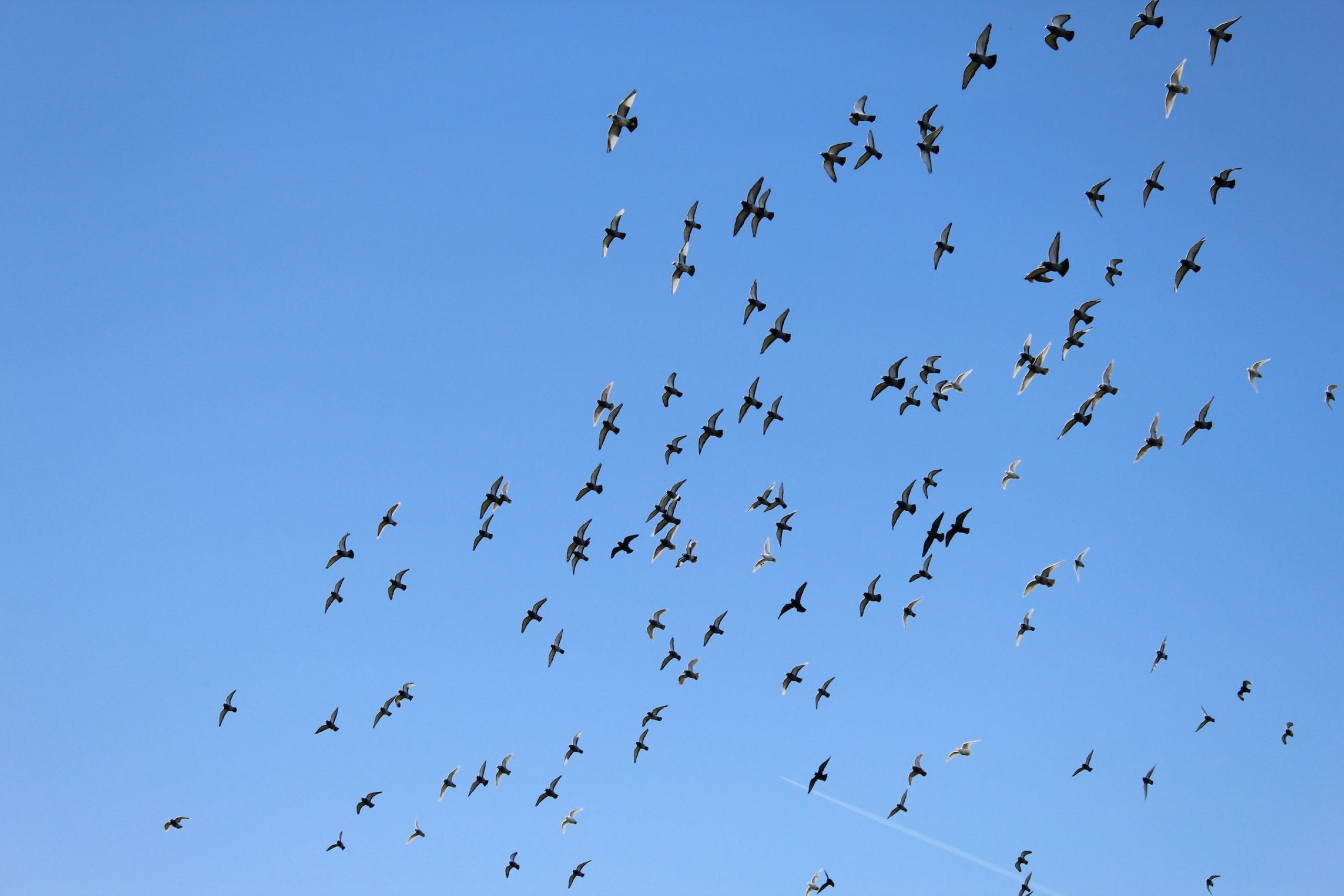
Using ants and homing pigeons as model systems, Sasaki will discuss (1) how rock ant colonies avoid making irrational decisions, (2) how fire ants collectively build self-assembled pontoon bridges, and (3) how homing pigeons improve their homing routes through the accumulation of knowledge. He will also briefly introduce a new research direction that his lab has recently started investigating: collective animal learning.
_____
Takao Sasaki is an Associate Professor in the Brain and Cognitive Sciences at the University of Rochester. He obtained a Ph.D. in Biology from Arizona State University and remained at the same institute as a postdoctoral researcher for a year. He then became a postdoctoral fellow in the Department of Zoology, University of Oxford. Prior to joining the University of Rochester, he was an Assistant Professor in the Odum School of Ecology at the University of Georgia. His main research interest is to understand collective decision making—how a group of individuals processes information together and achieves higher cognitive performance than a lone individual.
