Using the Collection
Digitized materials in the Rudi Gernreich Papers can be accessed online via the UCLA Library Digital Collections platform. Physical items in this collection are available for research and are located both in YRL and in our off-site storage facility (Systemwide Library Facility - South). Request the items using the "Special Collections Request" links in the UC Library Search catalog record. View our video tutorial or contact LSC for more help with requesting items. The Rudi Gernreich Papers finding aid with full collection details can be viewed in the Online Archive of California. Portions of the collection are unprocessed. Please contact UCLA Library Special Collections at AskLSC@library.ucla.edu for more information.
More Information
About Rudi Gernreich
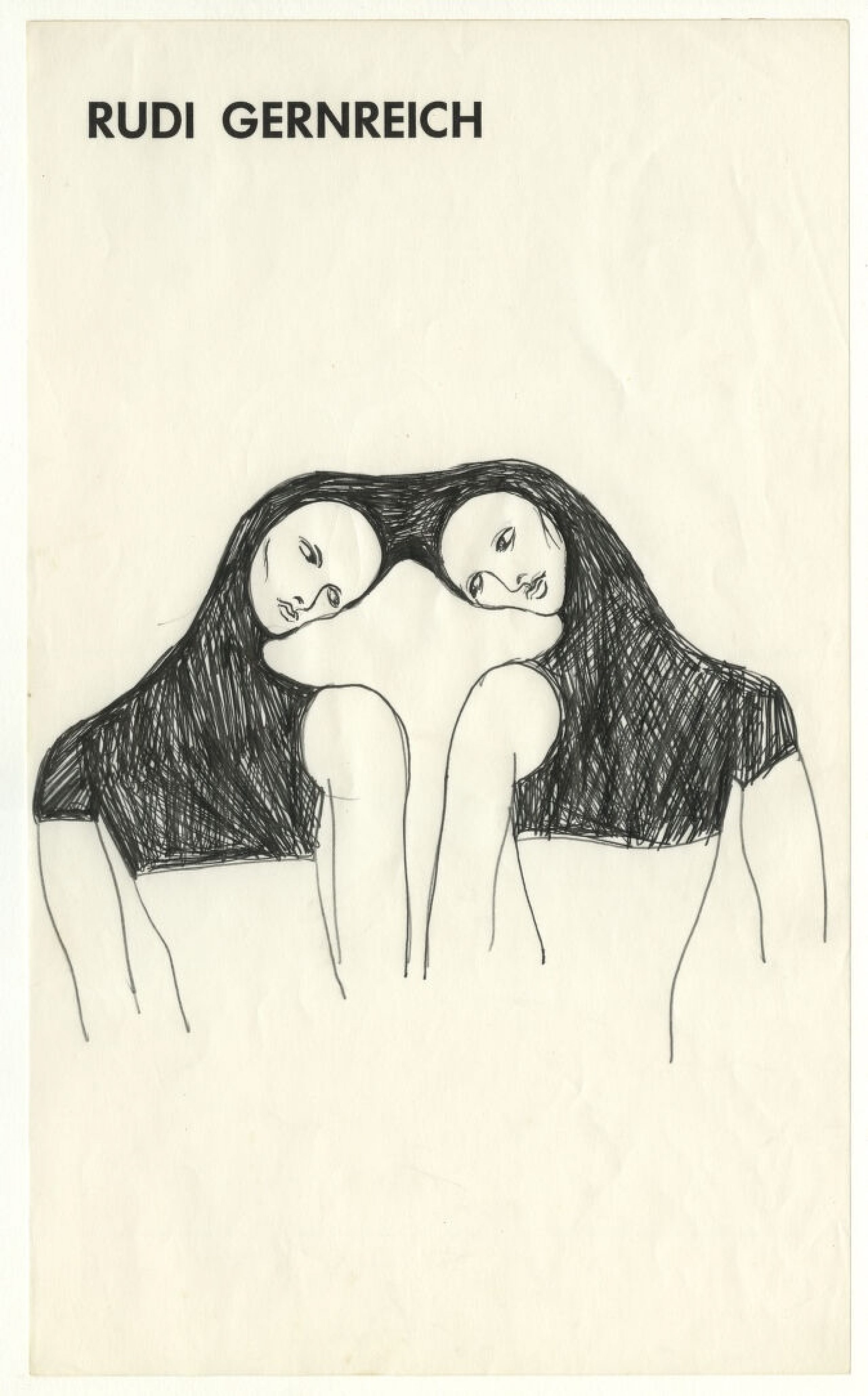
Rudi Gernreich (1922-1985) was an Austrian-American fashion designer, gay rights pioneer, dancer and refugee. As a designer, he caused controversy by pushing the boundaries of fashion–emphasizing the natural shape and movement of the body. Some of Gernreich’s most notable designs include the topless monokini swimsuit, thong swimsuit, transparent bra, see-through chiffon blouse and some of the first vinyl, plastic and gender-neutral clothing items.
Gernreich was born on August 8, 1922, in Vienna, Austria, where he grew up studying fashion at his aunt’s dress shop. In 1938, as a result of Nazi persecution, Gernreich and his mother fled to the United States. There, he studied art at Los Angeles City College and began designing costumes at RKO Studios. From 1942 to 1949, Gernreich was a part of the Lester Horton Dance Company as both a dancer and a designer. After deciding to pursue fashion design full-time, Gernreich began designing for George Carmel, Hattie Carnegie and Morris Nagel Versatogs. Deeming these opportunities too conventional or derivative, it was not until he signed a seven-year contract to design sportswear for Walter Bass that Gernreich began creating his trademark designs. Finding success in the realm of sportswear, Gernreich’s unconstructed swimsuit design for Westwood Knitting Mills earned him the American Sportswear Design Award from Sports Illustrated. Having found great success, Gernreich left Bass and Westwood to begin designing for his own company, G.R. Design, as well as for Harmon Knitwear.
About the Collection
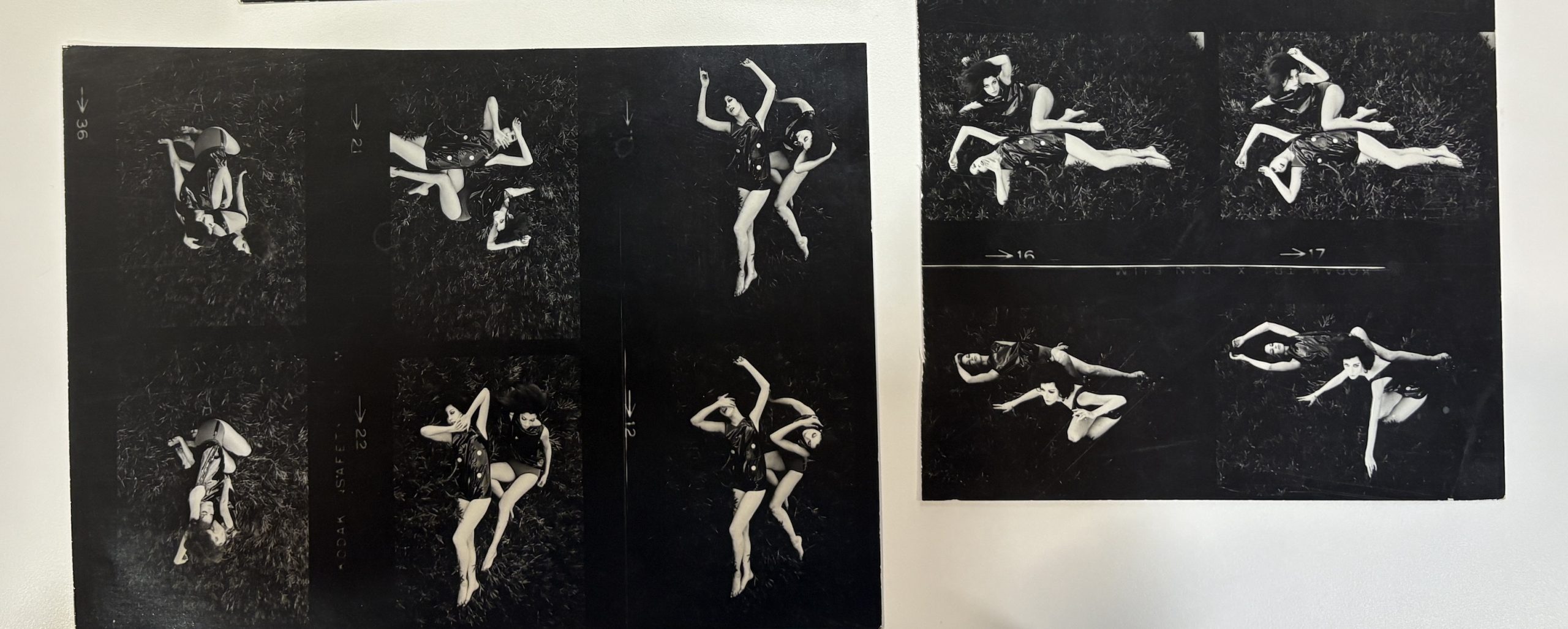
The Rudi Gernreich papers include business correspondence, records and legal contracts with companies such as G.R. Designs, Harmon Knitwear, Lily of France, Capezio, I. Magnin and Montgomery Ward. The collection also includes publicity materials such as press releases, press kits, mounted advertisements and clippings. The fashion photographs range from the 1950s to 1985 and depict fashion shows, seasonal collections, knitwear, woolens, the No-Bra bra and swimsuit designs, including the monokini, thong and pubikini. The photographs also include extensive photographs of the Unisex Look; photographs of Gernreich with models; Bella Lewitzky photographs; and photographs taken for Time magazine. The collection includes extensive clothing and patterns, recipes from his soup business, and a few products, such as perfume and a tissue box. The collection also includes portraits of Gernreich by photographers William Claxton, Julian Wasser, Helmut Newton, Jacques Faure and Wallace Seawell; Bella Lewitzky Dance Company business records; awards, including several COTY awards; and family papers.